Finding the right surgeon for a deep plane facelift in Florida takes more than a Google search. This is one of the most technically demanding procedures in facial surgery, and outcomes differ dramatically depending on who performs it. For patients serious about natural, lasting results, the surgeon’s hands-on experience matters more than anything else.
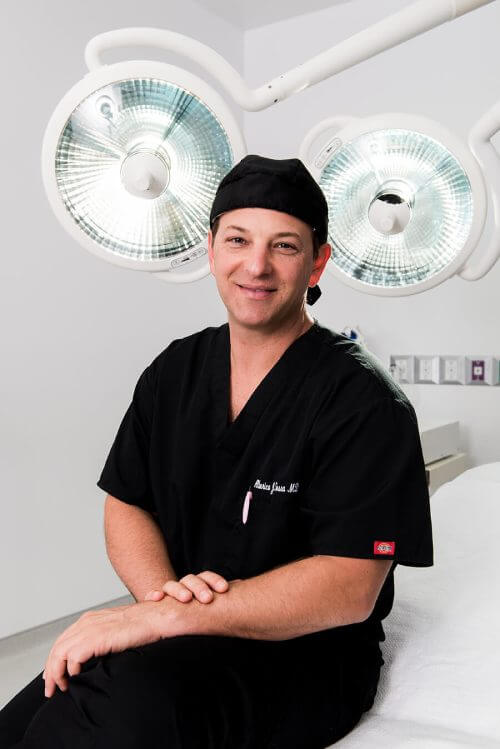
In Sarasota, Dr. Alberico J. Sessa of Sarasota Surgical Arts has built a reputation on surgical volume, advanced facial training, and outcomes that hold up over time. Patients who seek out a deep plane facelift are typically past the point where fillers or skin tightening will do the job. They want structural correction, and that is precisely what this procedure delivers.
What Is a Deep Plane Facelift?
A deep plane facelift works beneath the surface. Rather than pulling the skin tighter, the surgeon releases key facial ligaments and lifts the deeper tissue layers, including the midface, as a unified structure. The result is smoother facial contours, a defined jawline, and a rejuvenated appearance that looks genuinely natural.
Traditional facelift techniques focused on skin tension, which often produced the tight, pulled look associated with older surgical results. The deep plane approach corrects the underlying cause of aging rather than masking it at the surface. According to the U.S. National Library of Medicine (NIH), surgical techniques that address deeper facial tissue planes produce more durable rejuvenation than those limited to superficial skin tightening.
Learn more about the procedure
Why Surgical Experience Makes the Difference
A deep plane facelift is not a procedure where a surgeon improves significantly after a handful of cases. It demands a thorough understanding of facial anatomy and the kind of precision that only comes from performing the procedure hundreds of times.
Dr. Sessa brings over 18 years of experience and more than 20,000 completed surgeries to every consultation. A large share of that volume involves facial procedures, which matters when working in close proximity to nerves, vessels, and ligaments that determine how a face looks and moves.
Surgeons who operate at this volume develop a calibrated sense of facial balance, symmetry, and how tissue behaves during healing. That refinement shows in the result.
Read about Dr. Sessa’s background
What Sets Dr. Sessa’s Approach Apart
The goal of Dr. Sessa’s technique is not to change how a patient looks. It is to restore what time has altered. Patients leave looking like a well-rested, refreshed version of themselves rather than someone who has had surgery.
His approach involves:
- Releasing and repositioning deeper facial ligaments to restore natural lift
- Elevating midface structures for improved cheek contour
- Defining the jawline without placing excess tension on surrounding tissue
- Protecting facial muscle movement so expressions remain natural post-recovery
This method eliminates the tight or overdone appearance that many patients fear before undergoing a facelift. The difference is most visible in how the face ages after surgery, naturally and gradually, rather than all at once.
How Long Do Results Last?
Results from a deep plane facelift typically last between 10 and 15 years, which is longer than most traditional facelift techniques. This durability comes from correcting the structural foundation of the face rather than relying on surface tension, which loosens over time.
Because the deeper tissues are repositioned rather than stretched, the face continues to age in proportion. There is no sudden drop-off where the results give out. The U.S. Food and Drug Administration (FDA) advises patients considering cosmetic surgical procedures to research surgeon qualifications thoroughly and understand realistic recovery expectations before proceeding.
Who Is a Good Candidate?
A deep plane facelift is worth considering for patients experiencing:
- Sagging or flattened cheeks
- Deep nasolabial folds, the lines running from the nose to the corners of the mouth
- Jowling along the jawline
- Loose or crepey skin in the lower face and neck
At this stage of facial aging, non-surgical options rarely provide enough change to satisfy patients. A surgical approach addresses the volume loss and tissue descent that injectables cannot fully reverse. That said, every patient is different. The best outcomes come from a thorough pre-operative evaluation where technique is matched to anatomy and personal goals.
Why Dr. Sessa Ranks Among Florida’s Top Facelift Surgeons
Florida has no shortage of cosmetic surgeons, but a high volume of facial procedures combined with advanced fellowship training places certain providers in a different category.
Dr. Sessa’s credentials include:
- Board certification in cosmetic surgery
- Fellowship training in advanced cosmetic and facial procedures
- Over 20,000 completed surgeries
- Active involvement in training other surgeons
- A practice focused heavily on facial rejuvenation surgery
Credentials alone do not produce great results. Surgical judgment, precise planning, and technical execution do. Dr. Sessa’s profile reflects all three.
What to Evaluate Before Choosing a Surgeon
Before committing to a deep plane facelift, patients should ask:
- How many of these procedures has this surgeon performed?
- Does the before-and-after portfolio show consistently natural results?
- Is this surgeon’s practice focused on facial surgery specifically?
- Does the consultation include a detailed explanation of technique and recovery?
A thorough consultation should leave the patient with no unanswered questions about what the procedure involves, what to expect during healing, and what the outcome should realistically look like.
Conclusion
The best deep plane facelift in Florida is not about geography or advertising. It comes down to a surgeon who has performed the procedure enough times to do it well and who approaches facial rejuvenation with the goal of restoring rather than altering.
Dr. Alberico J. Sessa meets those criteria through surgical volume, focused training, and a patient-centered approach to facial surgery.
Schedule a consultation at Sarasota Surgical Arts
A personalized consultation will clarify whether a deep plane facelift is the right option and how the procedure would be tailored to your anatomy and goals.
Frequently Asked Questions
What is the difference between a deep plane facelift and a traditional facelift?
A traditional facelift tightens the skin and the superficial muscle layer beneath it. A deep plane facelift goes further by releasing the ligaments that anchor facial tissue and lifting the deeper structures as one connected unit. This produces a more natural result and tends to last longer because the correction addresses the root cause of facial aging rather than surface-level laxity.
How long is recovery after a deep plane facelift?
Most patients take two to three weeks before they feel comfortable returning to social activities. Swelling and bruising are most noticeable in the first week and gradually subside over the following weeks. Full healing, including the softening of residual swelling, can take three to six months. Patients are typically advised to avoid strenuous activity for four to six weeks.
Will a deep plane facelift look natural?
When performed by an experienced surgeon, a deep plane facelift should not look surgical. Because the procedure repositions deeper tissue rather than pulling the skin, the face retains its natural movement and proportion. The goal is to look refreshed, not altered.
Is a deep plane facelift painful?
Discomfort after surgery is typically described as tightness and soreness rather than sharp pain. Most patients manage well with prescribed pain medication in the first few days and transition to over-the-counter options shortly after. Discomfort levels vary by individual, but this procedure is generally well-tolerated.
How much does a deep plane facelift cost in Florida?
Pricing varies depending on the surgeon’s experience, the complexity of the case, and the facility used. A deep plane facelift typically costs more than a traditional facelift due to the advanced technique and longer operating time involved. During a consultation at Sarasota Surgical Arts, patients receive a personalized quote based on their specific anatomy and goals.
At what age should someone consider a deep plane facelift?
Most patients who benefit from this procedure are in their 40s to 60s, though candidacy is based on anatomy rather than age alone. The procedure is best suited for individuals with visible jowling, significant nasolabial folds, and sagging in the midface and lower face that has not responded to non-surgical treatments.
Can a deep plane facelift be combined with other procedures?
Yes. Many patients combine a deep plane facelift with a neck lift, blepharoplasty (eyelid surgery), or fat grafting for a more complete facial rejuvenation. Dr. Sessa evaluates each patient individually to determine which combination of procedures would produce the most balanced, natural-looking outcome.