- What is Breast Augmentation?
- What Can Affect Breast Augmentation Recovery Time?
- Week by Week Breast Augmentation Recovery Timeline
- How to Manage Pain and Discomfort During Recovery?
- When Can Patients Return to Work After Breast Augmentation?
- What Activities Should Patients Avoid During Recovery?
- What Bras Should Be Worn After Sarasota Breast Augmentation?
- What Results Can Patients Expect From Sarasota Breast Augmentation and When?
- Are There Any Risks During Breast Augmentation Recovery?
- Why Choose Dr. Sessa at Sarasota Surgical Arts?
- Conclusion
- Schedule a Consultation for Breast Augmentation in Sarasota
- Frequently Asked Questions
Recovery is an important part of planning for breast augmentation, especially for patients who want a clear and realistic idea of what the healing process may look like. For those considering Breast Augmentation in Sarasota, it often helps to understand the recovery timeline early so they can plan time off work and arrange support at home if needed.
Patients exploring Sarasota Breast Augmentation usually have questions about when they can get back to normal routines and when results will start to look more settled. Knowing this ahead of time can make the whole process feel more manageable and less overwhelming. Recovery can look a little different for everyone.
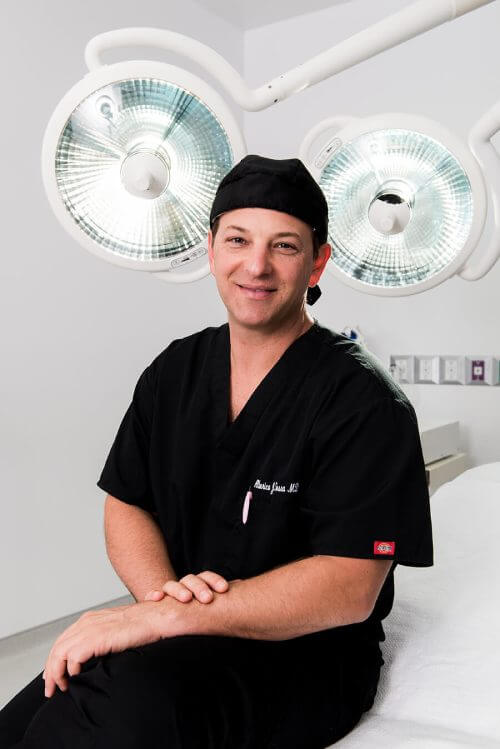
At Sarasota Surgical Arts, Dr. Alberico Sessa, MD, is a board-certified plastic surgeon with 18 years of experience and more than 25,000 procedures performed. His experience allows him to guide patients through a recovery plan that fits their procedure, body type, and individual needs.
What is Breast Augmentation?
Breast augmentation surgery is a procedure that uses breast implants to increase breast volume and enhance breast shape. During surgery, implants are placed either beneath the breast tissue or beneath the chest muscle, depending on the patient’s anatomy and treatment goals.
Surgeons typically perform breast augmentation as a procedure, and recovery takes time rather than happening overnight. The healing process involves swelling, tissue adjustment, and implant settling, all of which can influence how quickly patients return to their normal routines.
What Can Affect Breast Augmentation Recovery Time?
Recovery from breast augmentation is not the same for every patient. Several factors can influence how quickly the body heals and how comfortable the recovery period feels.
Silicone implants, saline implants, and gummy bear implants each have slightly different characteristics.
- Silicone breast implants remain the most popular choice among patients because they tend to look and feel natural for most body types.
- Saline implants allow for a smaller incision since the shell is inserted empty and filled during surgery.
- Gummy bear implants contain a firmer, more cohesive silicone filling that may be less likely to leak if a rupture occurs.
This type of breast implant in Sarasota chosen plays a role in recovery. When surgeons place implants under the chest muscle, known as submuscular placement, recovery may take a bit longer because the muscle needs time to adjust and heal. Subglandular placement, where the implant sits above the muscle, may result in a slightly shorter initial recovery period for some patients.
Patients who combine breast augmentation with other procedures, such as a breast lift, should expect a longer recovery timeline. The body needs additional time to heal from multiple surgical sites.
Individual health factors also come into play. Age, overall health, smoking status, and how closely postoperative instructions are followed are all factors that can influence healing time. Patients who follow their surgeon’s guidelines closely tend to experience smoother recoveries with fewer complications.
Week by Week Breast Augmentation Recovery Timeline
Having a clear picture of what to expect during each phase of recovery helps patients stay calm and heal well. Here is a practical breakdown of the recovery journey.
The First 24 to 48 Hours After Surgery
The first two days are typically the most physically demanding part of recovery. Patients often feel sore, tired, and tight across the chest area. This breast recovery is a normal response as the body begins its healing process.
Surgeons usually discharge patients on the same day as surgery. Many patients feel heaviness and tightness in the chest as the anesthesia wears off. Bruising and swelling are also common during this stage and often improve with proper care and by following post-operative instructions.
Pain medication prescribed by the surgeon helps control discomfort during these initial days. Patients should plan to rest as much as possible, sleep on their back in a slightly elevated position, and avoid any reaching or lifting.
Having someone at home to help with basic tasks during these first few days makes the process much easier.
Days 3 Through 7: Early Healing Begins
During the first week, the body begins to adjust, and initial soreness starts to decrease for many patients. Swelling and bruising remain present but often begin to stabilize.
Light walking around the house is encouraged during this time. Movement helps promote circulation and can support the healing process. However, patients should avoid strenuous activity, breast lifting, or raising their arms above their heads.
Most patients find they can shower around day five to seven, once cleared by their surgeon. Wearing a surgical support bra or compression garment as directed helps provide comfort and support to the healing tissue.
Some patients may feel ready to return to desk work by the end of the first week, especially if the job does not require physical labor. However, listening to the body and not pushing too hard remains important during this stage.
Week 2: Turning a Corner
The second week often brings noticeable improvement. Pain levels typically decrease significantly, and many patients transition from prescription pain medication to over-the-counter options.
Bruising continues to fade during this time. Swelling is still present but is gradually improving. Patients often feel more like themselves and may grow eager to return to normal activities.
This is when many patients feel comfortable going back to work, particularly if the job involves sitting at a desk rather than physical activity. Driving may be permitted once the patient is no longer taking prescription pain medication and feels comfortable with the range of motion needed to operate a vehicle safely.
One common mistake during week two is doing too much too soon. The body is still healing internally, even when external symptoms improve. Following the surgeon’s activity restrictions helps protect the results and supports proper healing.
Weeks 3 and 4: Returning to Light Activities
By the third and fourth weeks, most patients feel significantly better. Swelling continues to decrease, and the breasts begin to look more natural as implants start settling into position.
Light daily activities can typically resume during this period. Many patients feel comfortable running errands, attending social events, and handling household tasks that do not involve heavy lifting or strenuous movement.
The implants may still appear to sit high on the chest at this point. Over the coming weeks, they will gradually drop into a more natural position through a process often called “drop and fluff.”
Patients should continue wearing supportive bras as directed and avoid underwire bras until cleared by their surgeon. Exercise restrictions remain in place during this time to protect the healing tissue.
Weeks 5 and 6: Approaching Full Recovery
Around the five- to six-week mark, many patients receive clearance to begin reintroducing more vigorous exercise and physical activity. The surgeon evaluates each patient individually to determine when resuming specific activities is appropriate.
Swelling continues to resolve, and the breasts feel softer and more natural. Patients may transition from a compression garment or surgical bra to a regular supportive bra during this stage, depending on their surgeon’s guidance.
Most patients feel comfortable returning to their full normal routine by this point. The results are becoming more visible, though the outcome continues to develop over the following months.
Months 2 Through 6: Final Results Take Shape
The journey toward the final results timeline extends beyond the initial six-week recovery period. During months two through six, the implants continue to settle into their permanent position. This settling process creates the natural-looking shape patients desire.
Residual swelling gradually resolves during this time. Scars begin to mature and fade, becoming less noticeable. Following the surgeon’s scar care recommendations can help minimize their appearance over time.
By the four to six-month mark, most patients see their final results. The breasts have achieved their permanent shape, the implants have fully settled, and any remaining swelling has resolved. Some patients may notice continued subtle improvements for up to a year after Sarasota breast augmentation surgery.
How to Manage Pain and Discomfort During Recovery?
Pain after breast augmentation in Sarasota varies from patient to patient. Some experience moderate discomfort while others describe the sensation as more of a tightness or pressure across the chest.
During the first few days, prescription pain medication helps manage discomfort. Taking medication as directed, rather than waiting until pain becomes severe, tends to provide better control of symptoms.
Many patients transition to over-the-counter pain relievers by the end of the first week or early in the second week. Applying cold compresses as directed by the surgeon may help reduce swelling and provide comfort during the initial recovery period.
Sleeping slightly elevated on your back helps reduce swelling and may improve comfort during the first couple of weeks. Some patients find that a wedge pillow or recliner makes sleeping more comfortable during this time.
Staying hydrated, eating nutritious foods, and getting plenty of rest all support the body’s healing process. Avoiding alcohol and following any dietary guidelines provided by the surgeon also contribute to a smoother recovery.
When Can Patients Return to Work After Breast Augmentation?
Return-to-work timing largely depends on the type of job a patient has. Those with desk jobs or positions that do not require physical labor may feel ready to return to work after surgery within one week. Some patients prefer to take two weeks off to allow more time for rest and healing.
Jobs that involve heavy lifting, physical labor, or significant arm movement require a longer time away from work. Patients in these roles should plan for at least three to four weeks off, or longer, depending on their surgeon’s recommendations.
Working from home, when possible, provides flexibility during the recovery period. Patients can ease back into work responsibilities while still prioritizing rest and following activity restrictions.
Discussing work requirements with the surgeon during the plastic surgery consultation
helps determine an appropriate timeline. Dr. Sessa and his team provide personalized guidance based on each patient’s specific job demands and healing progress.
What Activities Should Patients Avoid During Recovery?
Taking it easy for a few weeks may help give your body the time it needs to heal after Sarasota breast augmentation. While every recovery is different, surgeons often recommend avoiding certain activities during the early stages of healing.
- Patients may need to avoid heavy lifting for the first few weeks. This can include carrying children, lifting heavy grocery bags, or moving large household items. Too much strain on the chest area may contribute to discomfort and could affect the healing process.
- Intense exercise may need to wait until your surgeon feels it is appropriate. Activities such as running, weight lifting, and high-impact workouts can place additional stress on healing tissues and may increase swelling or soreness.
- Reaching overhead frequently may be uncomfortable during the first week or two after surgery. Limiting these movements may help reduce unnecessary tension around the chest and incision areas.
- Surgeons may advise postponing swimming, hot tubs, and baths until the incisions have had enough time to heal, depending on their guidance. Your surgeon can help determine when it may be safe to return to these activities.
- Patients may need to limit sexual activity for a short period, depending on their surgeon’s guidance and how healing progresses.
- Smoking and nicotine use may slow healing for some patients and could increase the likelihood of certain recovery-related concerns.
Recovery tends to be a gradual process, and what feels comfortable can vary from person to person. Following your surgeon’s instructions and listening to your body may help support the best possible healing experience.
What Bras Should Be Worn After Sarasota Breast Augmentation?
Proper support during recovery plays an important role in comfort and healing. Dr. Sessa provides specific recommendations for bras during each stage of recovery at Sarasota Surgical Arts.
During the first stage of Sarasota breast augmentation recovery, surgeons typically remove surgical bandages and place patients in a compression bra to support initial healing. This type of bra helps reduce swelling and keeps the implants in proper position as they begin to settle.
For the next couple of weeks, transitioning to a supportive bra like the Ultimate Bra provides both support and comfort. This stage focuses on maintaining proper positioning while allowing the body to continue healing.
After the first six weeks, a second-stage bra offers continued support as the implants complete their settling process. The surgeon evaluates each patient individually to determine when transitioning between bra types is appropriate.
Patients should typically avoid underwire bras for several weeks after breast surgery. The wire can put pressure on incisions and the lower portion of the breast as it heals. The surgeon advises that returning to regular underwire bras is safe.
What Results Can Patients Expect From Sarasota Breast Augmentation and When?
Understanding the timeline for seeing final results helps set realistic expectations. The appearance of the breasts changes significantly during the months following surgery.
Immediately after surgery, breasts often appear swollen and sit higher on the chest than they will in their final position. The swelling and high positioning improve gradually over the following weeks and months.
By six weeks, most of the initial swelling has resolved, and the breasts begin to look more natural. The implants have started settling into position, and the shape continues to improve.
The “drop and fluff” process describes what happens over the months following surgery. The implants gradually drop into a lower, more natural position while the surrounding tissue softens and relaxes. This process creates the final, natural-looking result.
Final results typically become visible around the four to six-month mark for most patients. Some may notice continued subtle improvements for up to a year. Factors like implant type, placement, and individual healing can influence this timeline.
According to the American Society of Aesthetic Plastic Surgery, approximately 365,000 breast augmentation procedures were performed in 2021 alone, making it one of the most popular cosmetic surgeries.
Are There Any Risks During Breast Augmentation Recovery?
Patients often experience some swelling, bruising, and soreness during breast augmentation recovery in Sarasota. However, patients should be aware of potential concerns and contact their surgeon if something does not seem right.
- Infection: Although relatively uncommon, infection can occur after any surgical procedure. Symptoms such as fever, increasing redness, warmth around the incision sites, or unusual drainage may warrant medical attention.
- Excessive swelling: Some swelling can occur, but surgeons should evaluate significant swelling, especially when one side appears noticeably larger than the other.
- Changes in sensation: Temporary numbness, tingling, or increased sensitivity in the nipples or breasts may occur as the nerves heal. These changes often improve over time, although the experience can vary from patient to patient.
- Capsular contracture: In some cases, the scar tissue that naturally forms around the implant may become unusually firm or tight. Regular follow-up appointments can help monitor for this possibility.
- Delayed healing: Factors such as smoking, certain medical conditions, or individual healing patterns may contribute to a longer recovery process for some patients.
- Persistent discomfort: While soreness and tightness are common during the early stages of recovery, worsening pain or symptoms that do not improve may warrant further evaluation.
Choosing an experienced, board-certified plastic surgeon and closely following post-operative recovery may help support a smoother recovery and reduce the likelihood of complications.
Recovering from a breast augmentation and lift? Learn what to expect at 9 days post op, including healing milestones, activity restrictions, and recovery tips.
Why Choose Dr. Sessa at Sarasota Surgical Arts?
When looking into breast augmentation, selecting a surgeon with experience and a patient-focused approach can make all the difference in comfort level before and after surgery.
Dr. Sessa is a board-certified plastic surgeon with extensive expertise in cosmetic and reconstructive procedures. Alongside his dedicated team at Sarasota Surgical Arts, he prioritizes understanding patient goals and easing any worries throughout the process.
With 18 years of experience and over 25,000 surgeries performed, Dr. Sessa is a top choice for breast augmentation in Sarasota, Florida. His approach combines proven scientific techniques with an artistic understanding of how to enhance each patient’s natural anatomy in a way that looks both natural and beautiful.
Sarasota Surgical Arts starts breast augmentation at $3,999, and the final cost may vary based on implant choices and whether patients choose additional procedures. During the consultation, Dr. Sessa discusses estimated costs and financing options to help patients achieve their aesthetic goals.
Conclusion
Understanding the recovery timeline is an important part of planning for breast augmentation. Dr. Sessa and the team at Sarasota Surgical Arts are committed to providing patients with the information and support needed for a smooth recovery experience.
During a consultation, Dr. Sessa takes time to understand each patient’s aesthetic goals, discuss implant options, and explain what to expect throughout the surgical recovery guidelines. Patients can try on actual implants to help with right breast implant size selection and receive honest recommendations based on their individual anatomy and goals.
For those considering breast augmentation in Sarasota or the surrounding Florida areas, scheduling a consultation is the first step toward achieving desired results.
Schedule a Consultation for Breast Augmentation in Sarasota
If you are considering breast augmentation in Sarasota, Tampa, Naples, St. Petersburg, Fort Myers, or nearby areas in Florida, you can contact us at (941) 923-1736 or schedule a consultation with Dr. Sessa. We are here to answer your questions, walk you through the process, and help you feel confident about your options and care.
Frequently Asked Questions
How long does pain last after breast augmentation?
Patients usually feel the most pain in the first few days after breast augmentation, and it gradually improves within the first week. Mild tightness or soreness can sometimes continue for a few weeks as the body heals and adjusts.
When can I sleep on my side after breast augmentation?
Back sleeping with slight elevation works best during the first few weeks. Avoid sleeping on your stomach for at least six weeks. Dr. Sessa provides specific guidance based on individual healing progress.
When can I exercise after breast augmentation?
Gentle walking can begin within days to help with blood flow. By weeks three and four, light activity becomes possible. Intense exercise, like running or weightlifting, typically needs to wait for 4 to 6 weeks or until cleared by the surgeon.
How long do I need to wear a surgical bra?
Most patients wear compression support for the first six weeks, transitioning through different bra types as healing progresses. The exact timeline depends on the individual case and the surgeon’s recommendations.
Can I drive after breast augmentation?
Avoid driving while on prescription pain medication and during the first week. Most patients feel ready to drive again within 1 to 2 weeks once they regain normal movement and stop taking prescription medication.