Has it been 9 days since you got your breast augmentation with a lift? This is the time when most people are in that awkward stage where they feel like they are better, but not healed. You’ve passed a major phase of recovery. The first week is considered the most difficult part, and it’s now behind you. But swelling, tightness, unevenness, and incision sensitivity can still be very uncomfortable. Day 9 is also when many patients start getting restless and accidentally do too much, too soon. This guide breaks down what you can realistically expect around day 9 and what you should and should not be doing.
Day 9 Recovery Checklist
If you want an easy plan for day 9 after surgery, focus on protecting your healing and not doing too much. Here’s a general checklist:
- Take short walks (several times per day)
- Eat protein-rich meals
- Hydrate well and keep salt moderate
- Wear your approved support bra
- Keep incisions clean and follow dressing instructions
- Sleep on your back (or as instructed)
- Avoid lifting, reaching high, or heavy exercises
- Monitor for redness, drainage, fever, or sudden swelling
Remember, your cosmetic surgeon’s specific post-op instructions always come first.
Why Day 9 Feels Uncomfortable for Many Patients
During the first week, your body focuses on closing incisions and controlling pain. After that, deeper healing begins. Recovery from breast surgery happens in stages, and full healing takes weeks to months, not days.
What You Might Feel At 9 Days Post-Op
By day 9, many patients feel better overall, but it’s still common to notice ongoing changes as the body continues to heal. These may include:
- Swelling, firmness, and tightness: Your breasts may still feel swollen, heavy, or tight. This is normal. If implants were placed under the muscle, tightness can last longer.
- Breast asymmetry: It is very common for one breast to be more swollen or sit higher than the other. Bodies heal unevenly. Your dominant arm side can also feel more sore because you naturally use it more.
- Tingling, itching, or sharp little pains: Tingling and hypersensitivity can show up as nerves begin to recover. Numbness can also persist for a while.
- Bruising that’s fading but not gone: Bruising typically improves over the first couple of weeks, though some discoloration can hang on longer.
- Numb areas: Some numbness around the nipples or lower breast is common and often improves over time.
What Many Patients Are Able to Do
The recovery timeline varies for each patient, but many can do the following by day 9 if their surgeon has cleared it:
- Light walking around the house and short outdoor walks
- Gentle daily activities. No heavy lifting.
- Showering if your surgeon said it’s okay and your dressings allow it
- Desk work if pain is controlled and you’re not straining
Swelling and discomfort typically improve over the first couple of weeks, but full healing takes longer.
Common Mistakes to Avoid at Day 9
Even if you feel good, these are frequent reasons people end up swollen, sore, or anxious:
Avoid lifting anything heavy
Heavy lifting puts stress on the healing tissue and can worsen swelling or bleeding risk.
Avoid intense cardio or upper-body workouts
Even if you’re tempted to get back to the gym, it’s important to restrict exercise for several weeks.
Avoid sleeping on your stomach or side
Your surgeon may recommend back-sleeping early on, especially after a breast lift, because of incision tension and swelling.
Avoid baths, pools, hot tubs, and oceans
Soaking can increase infection risk while incisions are still healing.
Avoid smoking or nicotine
Nicotine can reduce blood flow and slow wound healing. It’s best avoided as it can raise the risk of complications.
How Your Breasts May Look
At 9 days after surgery, breast implants may still sit high on the chest. This is normal early in recovery because the tissue around the implant is still tight and swollen. As your body heals, the implants slowly move into a more natural position. If you had a breast lift, your breasts may also look tight, pulled, or slightly boxy right now. This happens because the skin is healing and swelling is still present. Over time, the swelling goes down, the skin relaxes, and the breast shape becomes softer and more natural.
Incision and Wound Care
Your surgeon’s instructions matter most, but in general:
- Keep incisions clean and dry unless your surgeon has instructed otherwise.
- Don’t apply random creams or oils unless your surgeon approves.
- Change dressings exactly as directed.
- Wear the recommended surgical bra. Compression and support can help reduce swelling and relieve tension.
- Don’t pick at scabs, glue, or peeling skin.
If you’re unsure whether what you’re seeing is normal, contact your surgeon’s office.
Signs You Should Not Ignore
Call your surgeon right away if you notice:
- Fever
- Pus or bad-smelling drainage
- Skin that feels hot and red
- Sudden breast size change
- Chest pain or trouble breathing (emergency)
The FDA also provides guidance on breast implant complications and when to seek care.
When Do Breasts Start Looking Normal?
A common timeline is:
- Weeks 1–2: Swollen, tight, high implants, incision sensitivity
- Weeks 3–6: Swelling gradually reduces, shape begins to soften
- Months 3–6: More natural settling, scars mature, final contour becomes clearer
A breast lift often has noticeable swelling and tightness that improves over the first couple of weeks, but the final look takes longer.
Scar Care: When it Usually Starts
Scar care timing depends on whether incisions are fully closed. Many surgeons wait until the skin is sealed before recommending silicone-based scar therapy. If your surgeon clears it, silicone (gel or sheets) is a commonly recommended option in cosmetic surgery recovery. Don’t start anything until you’re told it’s safe. Starting too early can irritate healing incisions.
Bottom Line
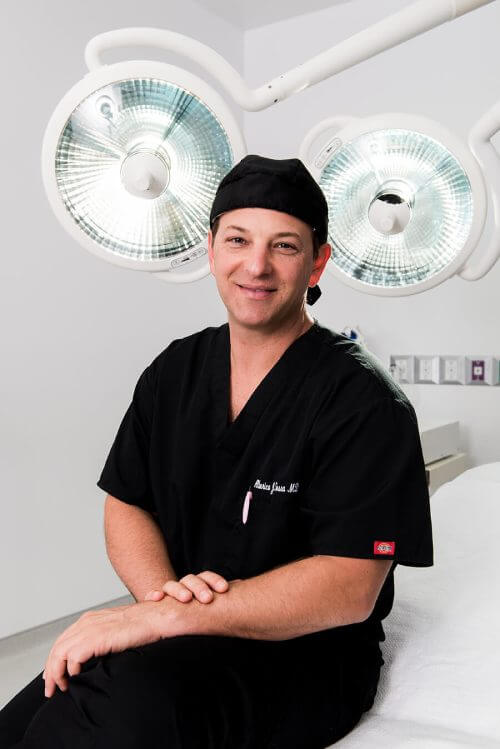
At 9 days post-breast augmentation and lift, it’s normal to feel better while still looking swollen, tight, and uneven. What you should focus on is protecting your results by restricting activity, following incision care instructions, and responding quickly to any warning signs. If you’re considering breast augmentation in Sarasota with a lift, Dr. Sessa at Sarasota Surgical Arts offer personalized surgical planning and clear recovery guidance so you know what to expect at every stage. To schedule a consultation, call us at 941-923-1736.
FAQs
How much can I lift 2 weeks after breast augmentation?
Most surgeons limit lifting to about 10 pounds 3-4 weeks after surgery. Lifting anything heavier can strain healing tissue and increase swelling. Always follow your surgeon’s exact instructions.
How long does it take for a breast lift and implants to settle?
Breast implants and lift results usually begin to settle around 6–8 weeks after surgery. Final shape and softness can take 3–6 months as swelling fully goes down and tissue relaxes.
Can I go walking 1 week post-op breast surgery?
Yes, light walking is usually encouraged one week after breast surgery. Short walks help circulation and healing, but you should avoid fast walking, hills, or arm movement unless your surgeon says it is okay.
Are my breasts supposed to feel hard right now?
They can. Swelling and tight tissues can make breasts feel firm early on, especially in the first couple of weeks. If hardness is rapidly worsening, painful, or paired with redness or fever, contact your surgeon.
Why does one breast look higher than the other?
Asymmetry is common in early healing due to uneven swelling and how each side’s tissues relax. Most early unevenness improves over time.
Can I sleep on my side at day 9?
Many surgeons still recommend back sleeping at this stage, especially after a lift. Follow your surgeon’s guidance.
When can I exercise again?
Most guidance keeps patients away from strenuous activity for several weeks, with a gradual return based on surgeon clearance.
What are the most important infection warning signs?
Redness and pain around the incision, cloudy drainage, and fever are common warning signs. If you have these, contact your surgeon.
Read more:
Can You Get A Breast Lift Without Scars?
How Old Do You Have to Be for Breast Augmentation with Saline or Silicone Implants?
How Does Awake Breast Augmentation Feel?